
88 lines
2.8 KiB
Markdown
88 lines
2.8 KiB
Markdown
# orx-obj-loader
|
|
|
|
Simple loader and saver for Wavefront .obj 3D mesh files.
|
|
|
|
##### Usage
|
|
|
|
Loading directly into a vertex buffer can be done through `loadOBJasVertexBuffer`.
|
|
|
|
```kotlin
|
|
val vertexBuffer = loadOBJasVertexBuffer("data/someObject.obj")
|
|
```
|
|
|
|
The loaded vertex buffer can be drawn like this:
|
|
|
|
```kotlin
|
|
drawer.vertexBuffer(vertexBuffer, DrawPrimitive.TRIANGLES)
|
|
```
|
|
|
|
To save a vertex buffer as an .obj file:
|
|
|
|
```kotlin
|
|
vertexBuffer.saveOBJ("my/path/exported.obj")
|
|
```
|
|
|
|
<!-- __demos__ -->
|
|
## Demos
|
|
### DemoObjCompoundRW01
|
|
|
|
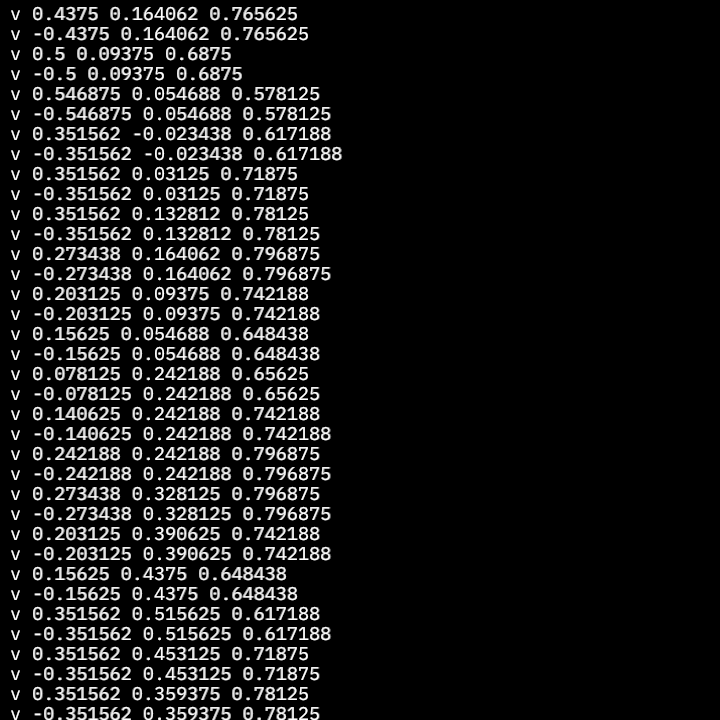
This program loads an OBJ mesh as a CompoundMeshData and demonstrates
|
|
how to convert it to a OBJ String representation, then
|
|
draws the beginning of this String on the program window.
|
|
|
|
|
|
|
|
[source code](src/jvmDemo/kotlin/DemoObjCompoundRW01.kt)
|
|
|
|
### DemoObjLoader01
|
|
|
|
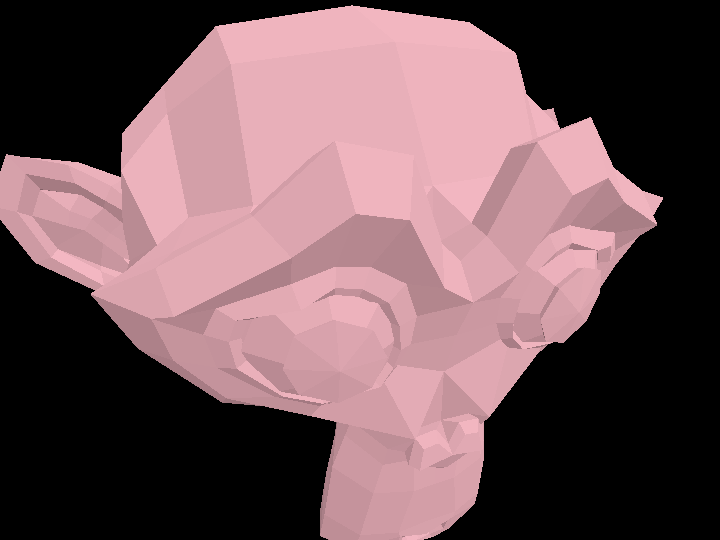
Demonstrates how to load a `.obj` file as a `VertexBuffer`.
|
|
|
|
The `loadOBJasVertexBuffer()` function expects the path to the `.obj` file as an argument.
|
|
|
|
|
|
|
|
|
|
[source code](src/jvmDemo/kotlin/DemoObjLoader01.kt)
|
|
|
|
### DemoObjSaver01
|
|
|
|
Demonstrates how to save a `VertexBuffer` as an `.obj` file using the
|
|
`VertexBuffer.saveOBJ()` method.
|
|
|
|
The program loads an existing OBJ file, then saves it with a new file name.
|
|
|
|

|
|
|
|
[source code](src/jvmDemo/kotlin/DemoObjSaver01.kt)
|
|
|
|
### DemoObjSaver02
|
|
|
|
Demonstrates saving a `VertexBuffer` generated via code as an OBJ file.
|
|
|
|
This file can be loaded in a 3D modelling / rendering program.
|
|
|
|
|
|

|
|
|
|
[source code](src/jvmDemo/kotlin/DemoObjSaver02.kt)
|
|
|
|
### DemoWireframe01
|
|
|
|
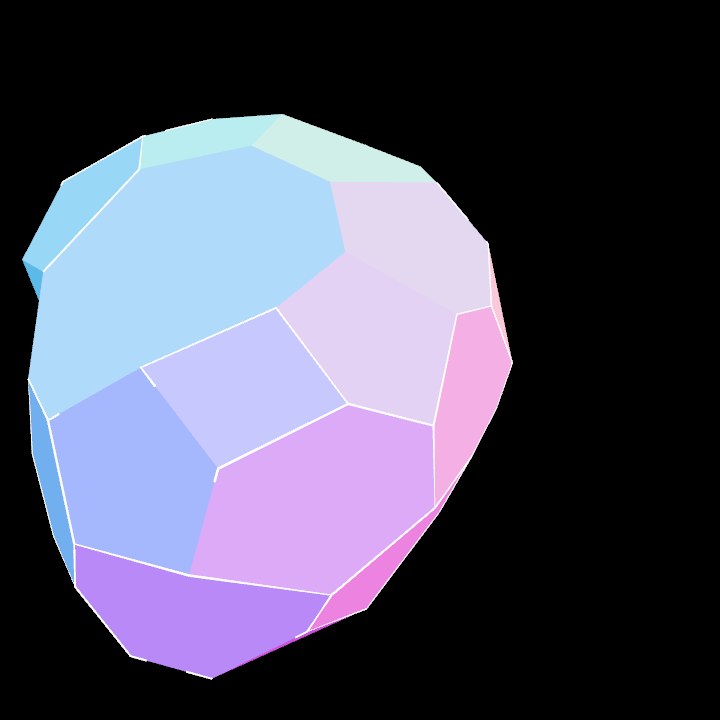
Demonstrates two approaches for loading an OBJ file: as a `VertexBuffer` and as `CompoundMeshData`.
|
|
|
|
A `CompoundMeshData` object contains vertices, texture coordinates, colors, normals, tangents, and bitangents,
|
|
alongside their associated face indices, grouped into meshes.
|
|
|
|
In this demo `CompoundMeshData.wireframe()` is called to generate a wireframe representation of the loaded mesh.
|
|
|
|
When rendering the wireframe, a shade style is used to displace the lines slightly towards the camera, to ensure
|
|
the lines do not end up occluded by the mesh rendered as triangles.
|
|
|
|
Finally, the `sub` method is called on the `Path3D` instances to draw only parts of the wireframe, creating
|
|
an animated effect.
|
|
|
|
|
|
|
|
[source code](src/jvmDemo/kotlin/DemoWireframe01.kt)
|